
















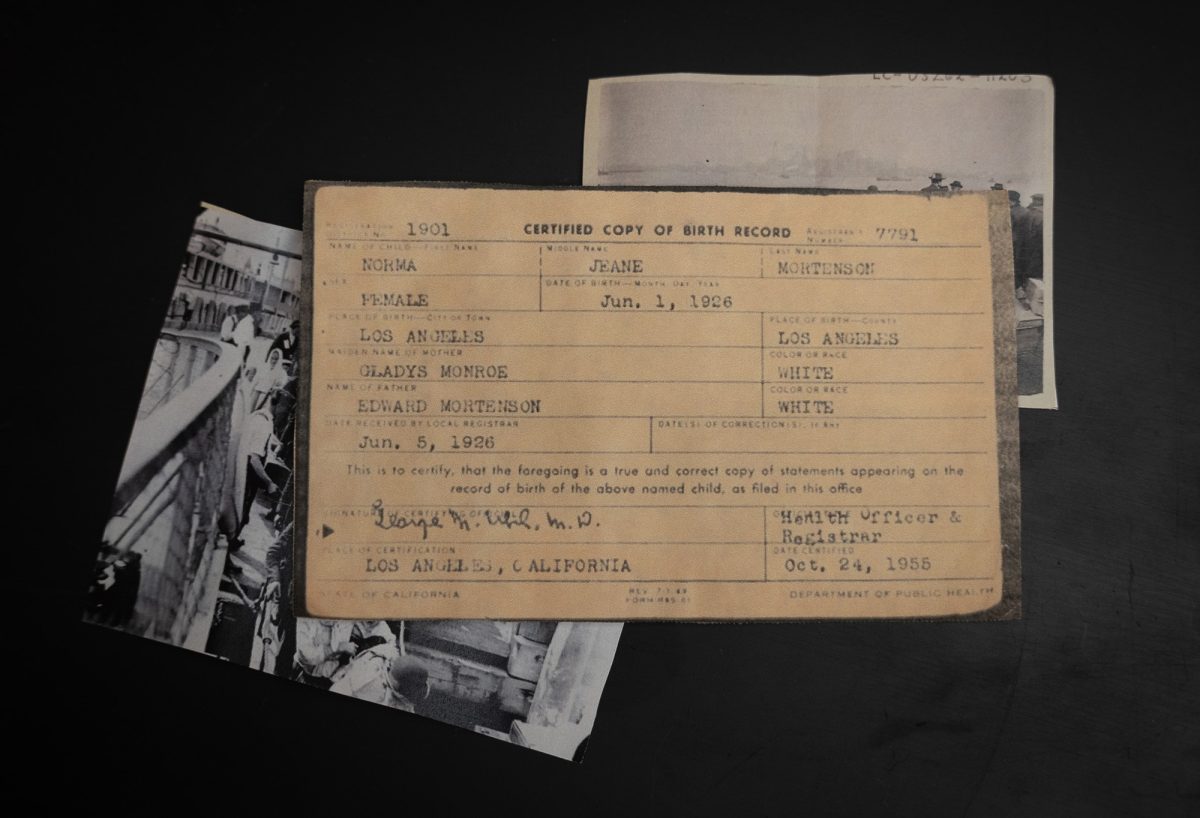
At one point, an American birth certificate meant citizenship. Today, the Supreme Court is questioning that right.
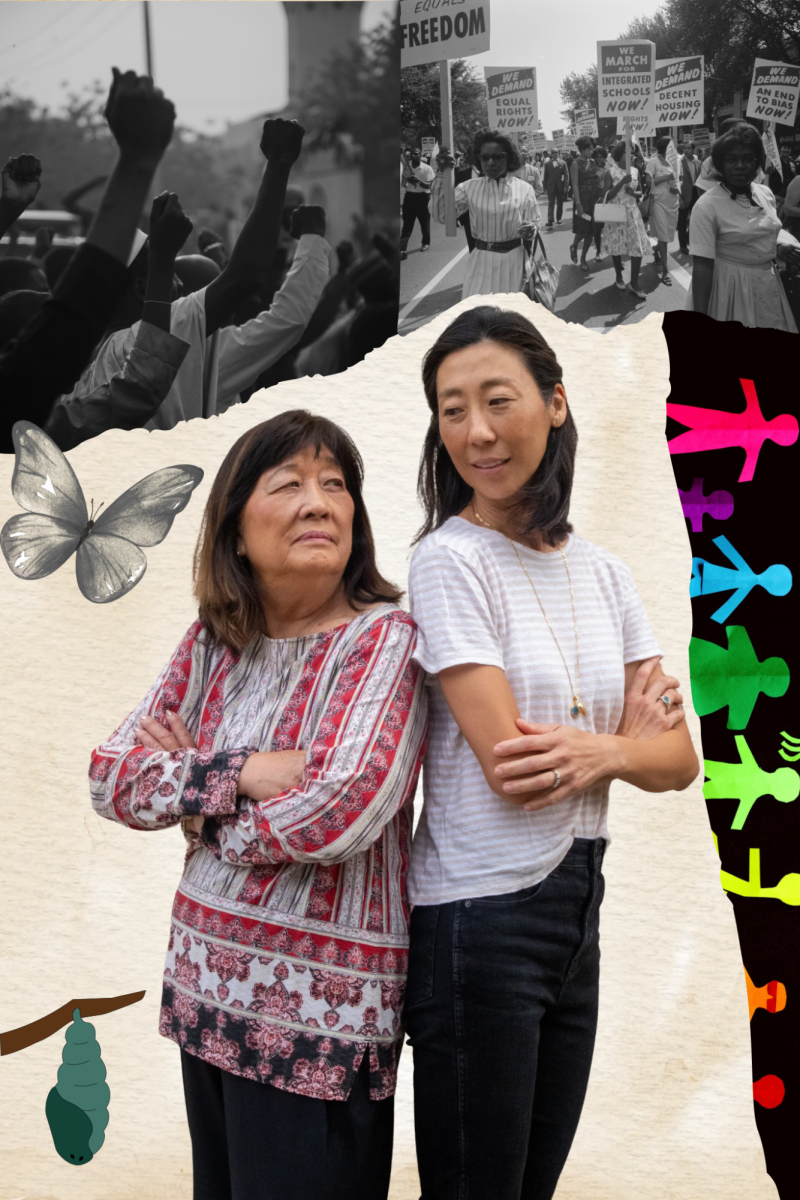
What does it mean to be American if being born here doesn’t guarantee it? In 1895, Wong Kim Ark, a Chinese-American born and raised in San Francisco to immigrant parents, was denied access back to the United States after a trip to China on the assumption that he wasn’t American. His visit to China, well within his rights, later led to a Supreme Court case determining the status of birthright citizenship in 1898 as a constitutional right. His case is still viewed as a pivotal moment in redefining what it means to be American.
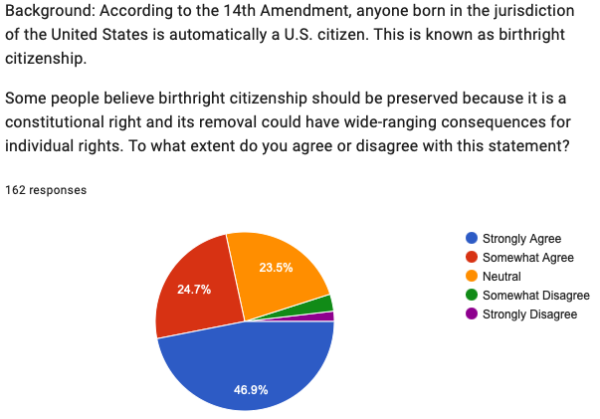
Now, a possible abolition of the same law is being discussed within the Supreme Court. Many argue, including 71.6% of Iolani students and the American Civil Liberties Union (ACLU), that birthright citizenship should be preserved because it is a constitutional right, and its removal could have wide-ranging consequences for individual rights. With the constitutional amendment originally ratified in 1868 to establish citizenship for formerly enslaved people, some debate that birthright citizenship isn’t nearly as beneficial today and has more negative impacts than positive now, such as “birth tourism” and incentivizing illegal immigration.
Trump’s Executive Order:
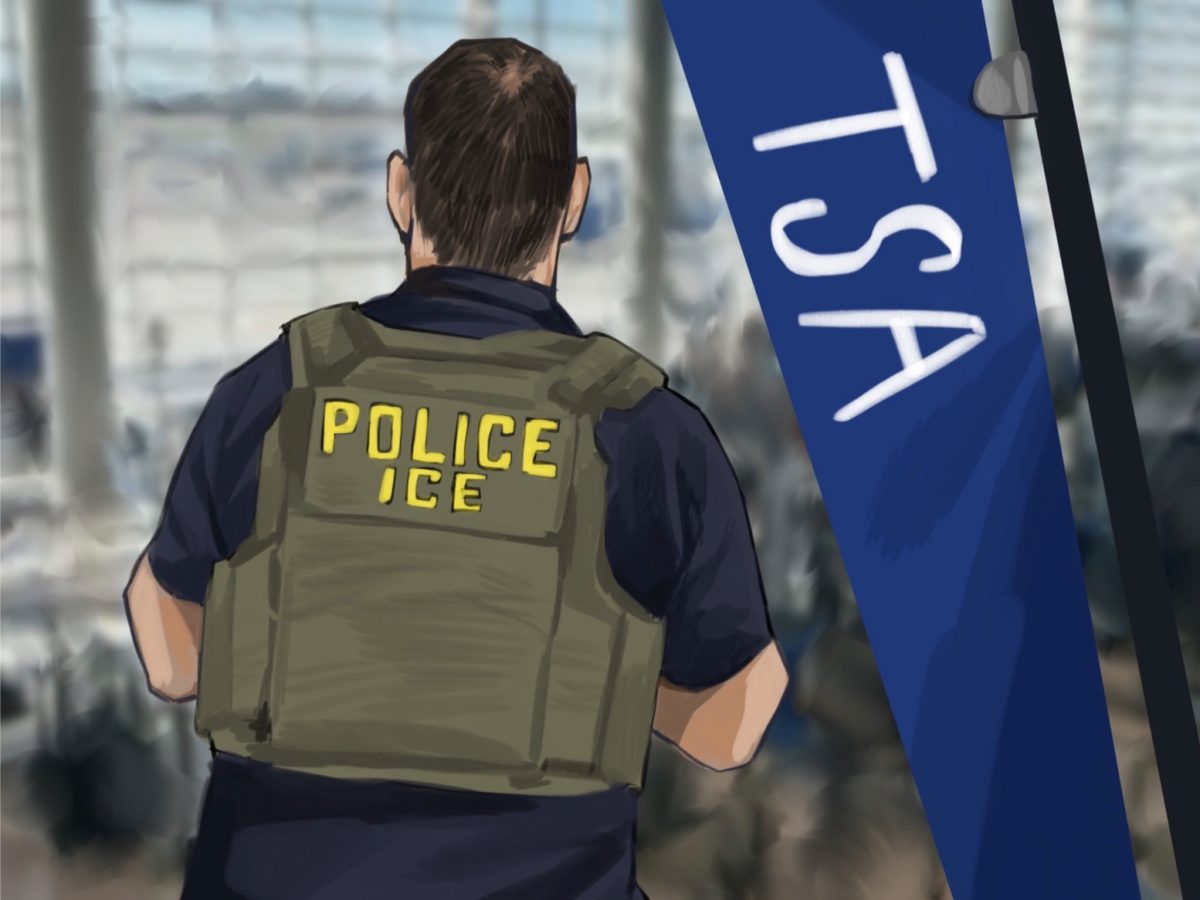
The executive order issued by President Trump on January 20, 2025 attempts to limit the extent of the 14th Amendment. Trump’s executive order is now being challenged in a Supreme Court case, Trump v. Barbara. The order dictates that children born on U.S. soil are only citizens if at least one parent is a citizen or lawful permanent resident.While heavily discussed before, this case will decide whether or not the full degree of the 14th Amendment will continue to apply to all undocumented immigrants’ children.
An analysis by Rachel Reed in Harvard Law Today highlights the administration’s argument that children born to undocumented immigrants or temporary visa holders are not fully “subject to the jurisdiction” of the United States as stated in the 14th Amendment because it should differentiate between physical presence and political allegiance, claiming it should apply more than only birthplace.
Legal scholars and the ACLU immediately challenged the order as unconstitutional along with federal courts blocking the enforcement of the order while lawsuits continue. Mr. Russell Motter, an ‘Iolani history teacher, said, “[Politicians] have tried to expand the meaning of the Constitution… and ignored pieces of the Constitution to suit their own political objectives”. He specifically cited, referring to rumored agendas within the Trump Administration.
Supporting Arguments of Preservation:
Supporters of birthright citizenship insist that both the Constitution and Supreme Court precedent clearly establish citizenship for nearly everyone born on U.S. soil. As the 14th Amendment states, “All persons born or naturalized in the United States, and subject to the jurisdiction thereof, are citizens of the United States.” The amendment was ratified in 1868 after the Civil War to protect formerly enslaved people from second-class citizenship.
According to United States v. Wong Kim Ark, an 1898 Supreme Court case, the court ruled that children born in the US to immigrant parents are citizens. This ruling established legal precedent that governs immigration law today.
Even a large majority of ‘Iolani students agreed with preservation. 35.2% of students answered neutral, suggesting gaps in understanding the issue.
This debate centers on differing interpretations of a single constitutional phrase, “subject to the jurisdiction thereof,” that has shaped American citizenship for more than 150 years and the national identity of America.
Mr. Motter also explained his opinion, “I think this whole movement to outlaw birthright citizenship is rooted in nativism, in xenophobia and in white supremacy.
And I think that there is an irrational response to immigration that has been building not just in this country, but in Europe as well.”
Opposing Arguments for Abolition:
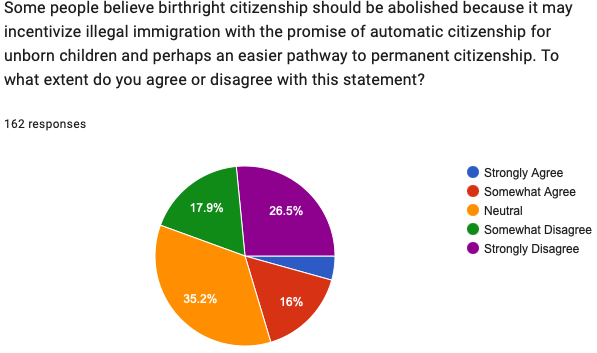
Critics of birthright citizenship, including a mere 20.3% of ‘Iolani students, argue that the policy has evolved far beyond its original purpose and now contributes to undocumented immigration and abuse of public resources, vulnerable to exploitation. Some conservatives argue birthright citizenship encourages undocumented immigrants to remain in the US to secure citizenship for their future children, negatively affecting the country.
Other opponents also cite birth tourism, the concept where foreign nationals travel to the United States specifically to give birth and acquire citizenship for their children and later themselves. Constitutional scholar John Eastman reasons that children of undocumented immigrants are not fully subject to U.S. jurisdiction because illegal immigrants and generations of people who “did not bother” to naturalize are still subject to another foreign government.
Additional views include citizenship requiring legal allegiance rather than simply birthplace. The difference is that one requires children to just be born within the territory of the United States, while legal allegiance refers to patriotism rather than being born within the country.
However, immigration researchers are finding limited evidence that birthright citizenship is a major driver of undocumented immigration within studies from the National Immigration Forum. Others that disagree with a repeal advocate children should not be punished for their parents’ immigration status and therefore are American.
“This is the way that this country works. People have children and they want them to have a better life and that’s why people have come to this country from the very beginning. I don’t think there’s anything wrong with that. It’s perfectly natural,” maintained Mr. Motter.
Experts Estimation of Possible Abolition or Limitation Effects:
Immigration experts warn that ending birthright citizenship could create widespread legal, economic, and social consequences across generations. The Migration Policy Institute estimates that ending birthright citizenship could add millions of people to the undocumented population over time.
By 2050, as many as 6.4 million US-born people could lack legal status with a “permanent underclass” unable to access education, healthcare, or employment opportunities. Hospitals may need to start verifying parents’ immigration status at birth.
Economists estimate the policy change could cost the U.S. economy trillions over the next few decades. More research from the Center for Migration and Development and Penn State University projects that eliminating birthright citizenship could sacrifice up to $1 trillion in future income and exclude hundreds of thousands of college-educated workers from the workforce over the coming decades.
The policy change would also shrink the tax base primarily because citizens naturally contribute more heavily to income and payroll taxes due to access to professional careers, higher education, and formal employment. This will ultimately reduce government revenue, forcing difficult choices between cutting essential public services, increasing taxes, or incurring higher debt.
Constitutionality of the Movement:
Cecilia Wang, the national legal director of the ACLU called the order “unlawful” and “un-American”. Legal advocates argue the order conflicts with longstanding Supreme Court precedent and changes the definition of what it means to “be American”. The Supreme Court’s decision should redefine the meaning of citizenship in America for future generations.
When asked about the constitutionality of abolition, Mr. John Bickel, an ‘Iolani teacher of several AP history courses, stated, “No. [The constitution is] clear about the meaning of the 14th Amendment.
All persons born and naturalized in the United States are citizens of the United States.”
The debate over birthright citizenship reflects broader questions about immigration, constitutional interpretation, and even national identity. Immigration, legal or not, has shaped America’s identity and created it into the country it is now. Today, America is seen as an example of a better life and freedom, whether or not these topics are still being discussed within the government and among the people. More than a century after Wong Kim Ark fought for recognition as an American citizen, the nation is once again debating who qualifies as American, and whether citizenship is a constitutional guarantee or just a policy that can be redefined.