









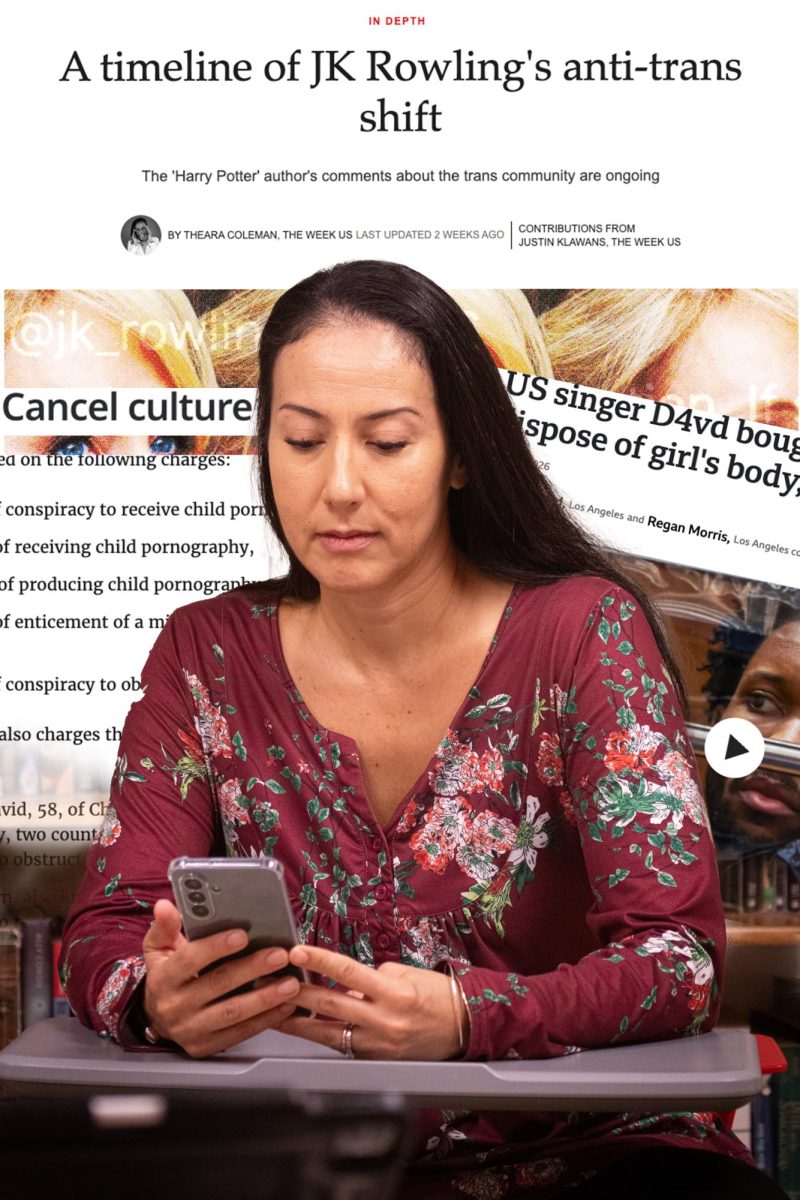














At 11:47, you scroll through Instagram behind the glow of your phone. A “Take A Break” reminder pops up, one of Meta’s latest mental health features. You tap the “Remind Me Later” button and continue scrolling.
In recent years, meta and other social media platforms have introduced tools designed to shield younger users from harmful content and excessive screen time. Critics have argued that these “safeguards” aim to boost user engagement. While Meta and others boast new methods to protect teenagers and youth’s mental health, many argue that the core “revenue-generating” algorithm remains.
In past months, thousands of lawsuits have been filed against companies such as Tiktok, Snapchat, and Meta. TikTok and Snapchat settled out of court on Jan. 19 and TikTok on the eve of the trial for an undisclosed sum. Prominent plaintiffs include K.G.M, a California 20-year-old woman alleging that starting early social media use led to severe addiction, depression and body dysmorphia. Her case is considered the first “bellwether” trial in a massive and coordinated legal proceeding involving thousands of similar cases. Other plaintiffs include Alexis Spence, and the families of Selena Rodrigeuz and Christopher Dawley, both of whom committed suicide.
After the legal proceedings, on March 24 and 25, 2026, Meta and Youtube were found responsible for some of the negative effects, and required to distribute $6 million to K.G.M. Meta was also fined nearly $375 million, 5,000 for each offense where the platform failed to protect younger users from predators and sexual exploitation.
Core legal claims include defective designs to increase usage with internal emails and messaging used as evidence against Meta. In a statement, Meta said, “Despite the snippets of conversations or cherry-picked quotes that plaintiffs’ counsel may use to paint an intentionally misleading picture of the company, we’re proud of the progress we’ve made, we stand by our record of putting teen safety first and we’ll keep making improvements.”
According to the Pew Research Center, nearly six out of 10 teens say they use Tiktok and Instagram everyday. Cross-sectional studies suggest a relationship between social media and depression, with data years later showing connections. Another study emphasized the “importance of longitudinal evidence,” finding little evidence of a “causal relationship between social media use and mental health issues years later.”
Now, people discuss the effects on the youth after more research has revealed those connections. “As one of the very logical understandable consequences of that, we definitely are seeing a lack of interpersonal social skills.
The give and take of a conversation, the banter of small talk, just pure listening deeply and empathically to what somebody says and responding appropriately which we’re seeing a pretty significant lag in,” said Dr. Lei Ahina-Dawson, the Director of Social and Emotional Wellness at ‘Iolani.
When used improperly, much of this “unhealthy content intake” can also lead to more illegal behavior, self-harm, harm to others and common encouragement of habits tied to eating disorders. Dr. Lei explained that these patterns of worsening behaviors can be tied to the algorithms. “These are the algorithms, content that young women are getting, idealized bodies and diet information. And then men are getting more of the sexualized images of women, sort of implicit messages of what it means to be a man, which is muscular and aggressive in some ways.”
To help teenagers use social media correctly, they can set rules and limits. Turning on privacy settings and monitoring usage and consumption can prevent long-term negative effects. Dr. Lei advised parents and teens to educate about online spaces and even about gender violence, including harassment, sexual harassment, body shaming and more. Also, learning to report behavior and make sure that it’s taken seriously and are dealt with appropriately by the school.
This significant legal action may not affect you personally but is a turning point and learning opportunity to monitor and protect yourself and others from excessive usage of social media. People today consider the impact on social media platforms, especially Meta, and what it means for the future of online activities. For next time, don’t ignore the take a break messages or reminders to get off of your phone. Many fall victim to addictive behaviors on online platforms due to lack of education on harmful realities.