








Bad Bunny’s Super Bowl LX halftime show left no viewer unmoved. Yet what a significant chunk of the nation expected the 13-minute performance would represent before Super Bowl Sunday 2026 proved to be a miscalculation. Bad Bunny, born Benito Antonio Martínez Ocasio, took the stage at Levi’s Stadium on February 8 and captivated the nation, and the world, with his singular ability to evoke a sense of unity, hope and love that many believed had long since faded.
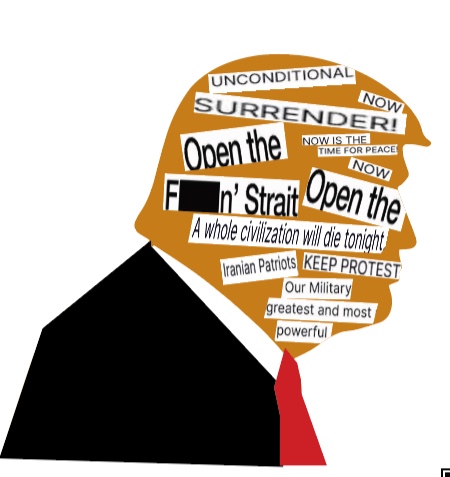
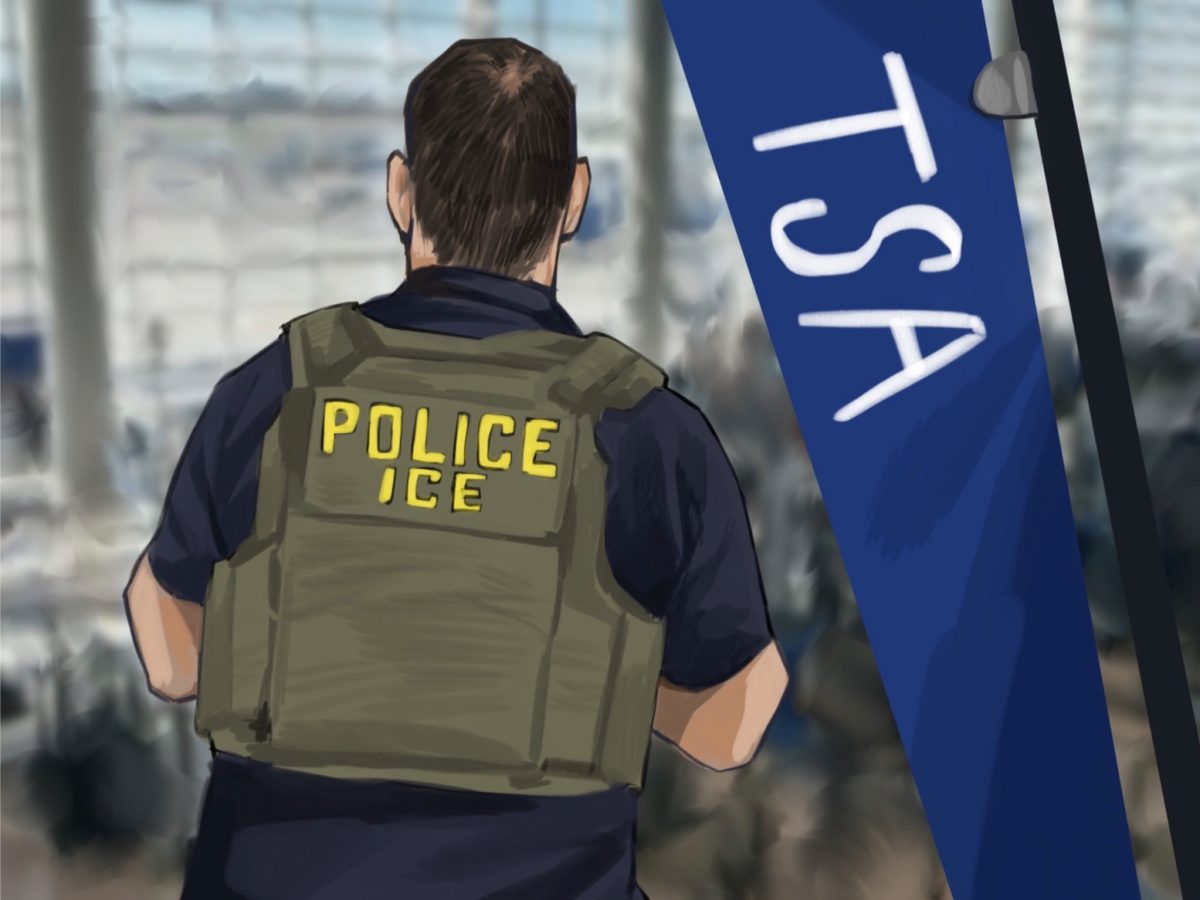
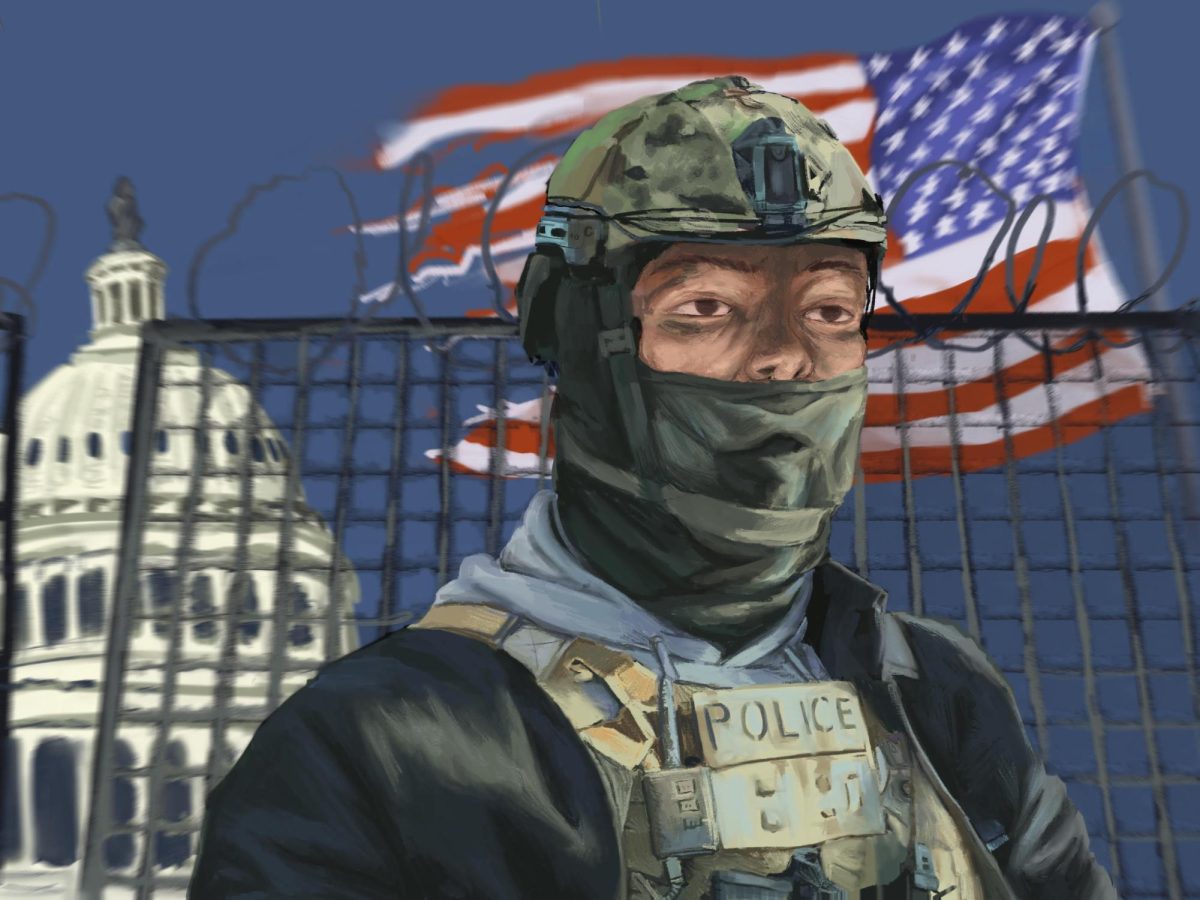
In the weeks leading up to the Super Bowl, speculation surrounding Bad Bunny’s halftime performance focused less on music and more on politics. Critics questioned the NFL’s decision, with some arguing that he “isn’t American” despite Puerto Rico’s status as a United States territory. President Donald Trump called the choice “absolutely ridiculous,” while former Homeland Security Secretary Kristi Noem remarked that ICE agents would be “all over” the Super Bowl, further intensifying the political undertones attached to the event. Conservative commentators predicted an anti-America display, looking at Bad Bunny’s history of speaking out against Trump and his administration.
Last June, he criticized ICE officers operating in Puerto Rico through an Instagram story, and during the 2020 Black Lives Matter protests, he expressed his frustration in a song shared with TIME which included the lyric, “F—K Donald Trump! Présidente del racismo.”
Yet not everyone viewed his platform as politically isolating. Oliver P. ’26 said, “America needs all of America, whether that’s North or South America.” Further, Oliver said, “Roughly 1 out of every 6 people in the U.S. speak Spanish, so it’s good that we have someone…representing many cultures.”
From the smallest costume details to the stage design, Puerto Rican pride radiated throughout the performance. The colors red, white and light blue—associated with the Puerto Rican independence movement—replaced the traditional dark blue of the flag as Bad Bunny held it high, signaling cultural identity and resilience. At center stage was La Casita, a recreation of a Puerto Rican neighborhood home, surrounded by aspects of everyday life like sugarcane, boxing, a barber shop and a piragua (shave ice) stand, while celebrities like Pedro Pascal, Jessica Alba and Karol G joined in celebration. As Marissa Solis, the NFL’s senior vice president of global brand and consumer marketing, said, “[The Latinx population] is a community of more than 70 million people here in the US… so it was very important for us to ensure that we were relevant.”
The symbolism extended beyond style and aesthetics. A five-year-old child actor was handed Bad Bunny’s Grammy Award, a moment many viewers connected to recent headlines about five-year-old Liam Conejo Ramos, who was detained alongside his father by ICE in Minnesota, transforming the gesture into a statement about hope for younger generations.
Later, in a speech during hit song “Monaco”, Bad Bunny addressed anyone who has been told they do not belong, saying that he stood on that stage “because I never, ever stopped believing in myself. You should also believe in yourself. You’re worth more than you think. Trust me.”
Puerto-Rican singer-songwriter and actor Ricky Martin joined in on the celebrations and helped to sing Bad Bunny’s “LO QUE LE PASÓ A HAWAii”, a song which mourns the troubles of the US sugar colony Hawai‘i, shedding a light on colonial neglect.
Another memorable scene of the show was the power line pole set up and “El Apagón,” a song referencing Puerto Rico’s electrical power crisis and infrastructure failures following Hurricane Maria, bringing attention to gentrification threatening to displace Puerto Ricans from their own land.
Amid these reminders of struggle, a real couple who invited Bad Bunny to their wedding and instead was asked to get married during the halftime show, tied the knot on stage, reaffirming the message of unity and community.
The performance earned widespread praise because it transcended language and politics, delivering a show rooted in culture, artistry and joy. As TIME described it, “It was an exuberant exercise in spectacle, stagecraft, choreography, and camera work; you could have not understood a single word and still had a blast.” Viewers didn’t need English subtitles to grasp the larger message; The visuals, symbolism and emotion projected across the stadium— and through the tv screens— made it clear. What unfolded was not the politically charged reprimand some had predicted, but an unbelievably uplifting celebration of heritage.
TIME also noted the historical weight of it all, saying, “Eight years after the government made it illegal to fly a Puerto Rican flag or sing a patriotic tune, there [he] was, proudly waving that flag and singing his proudly Puerto Rican songs, surrounded by Latinos carrying their own banderas on America’s biggest stage.” Rather than forcing propaganda, Bad Bunny unapologetically embraced his culture and invited others to do the same.
In less than 20 minutes, Bad Bunny turned one of the world’s biggest stages into a platform for unity. Within two weeks, the performance racked up more than 113 million views on YouTube, while hashtags like #badbbunnysuperbowl generated more than 40,000 posts, serving as proof that the moment resonated far beyond Levi’s Stadium.
Already the most streamed artist on Spotify with 19.8 billion streams, he used his influence not just for spectacle alone, but to promote a message that was both timely and timeless. The stadium’s Jumbotron declared, “THE ONLY THING MORE POWERFUL THAN HATE IS LOVE,” echoing Martin Luther King Jr.’s words in his book Strength to Love: “Darkness cannot drive out darkness; only light can do that. Hate cannot drive out hate; only love can do that.” In a divided moment, Bad Bunny reminded millions that love, amplified through music and celebration of culture, still has the power to bring people together.