














Ever wonder why members of older generations are very closed-minded about why your generation is who they are? Why do they push certain ideas that seem out of date? Since the 1960s, generations have been challenging the social norms of society, recreating their own ideas of identity throughout the United States. As younger generations emerge, older generations either accept or reject these new norms through protests, disagreements or even small arguments at home, constantly redefining what identity means. Over time, social norms have affected the way we express our identities, gender and sexuality in order to express our true selves. Parents and grandparents had their own ways of expressing themselves too. Why is it that some easily accept these changes around identity while others push back against them?
Whether you are trying to convince your parents that today marks a new generation or awkwardly explaining to your grandparents why kids today are the way they are, sometimes the resistance comes down to one simple thing: they don’t always know how to respond to change, and they don’t know how to break away from their comfort zone. For example, coming out of the closet to your parents may make them unsure if this would be a short phase or a for real thing; they probably grew up in a strict environment where coming out would lead to consequences. Now there are communities where everyone can be free to express their personalities and true selves.
Mr. Omar López-Thismón (Mr. LT), Diversity Equity and Inclusion (DEI) Coordinator, Director of the Academic Resource Center and Race and Social Justice teacher, said, “If you grow up with really defined norms and roles and narratives about sex and gender, then maybe in your adulthood, it might be more difficult to break out of those because you’ve kind of grown up accepting that gender is binary, that there are appropriate things for men to do and for women to do.” Coming from the environment people grew up in, they tend to be unsure of how to handle these new normalities.
Many parents didn’t grow up with social media. Mr. LT said, “I also think that your generation exists in a really interesting place where you have access to not only so much information, but so many opinions.” Because of that, change can feel stressful, unfamiliar and overwhelming for those who grew up in this kind of world.
Many of the norms that the older generations were raised with came from traditional ideas rooted in the 1950s, where women were expected to uphold strict household roles, men were seen as the “man of the house” and everyone had a clearly defined place in society. Today, those expectations have been continuously challenged since the ’60s, changing identities’ definitions over time to allow what our generation is able to do today, freely be who they are on the inside without consequences or restricted social norms. Men and women can share the same roles, people are encouraged to express themselves freely and identities such as bisexual or transgender are becoming more openly discussed and accepted.
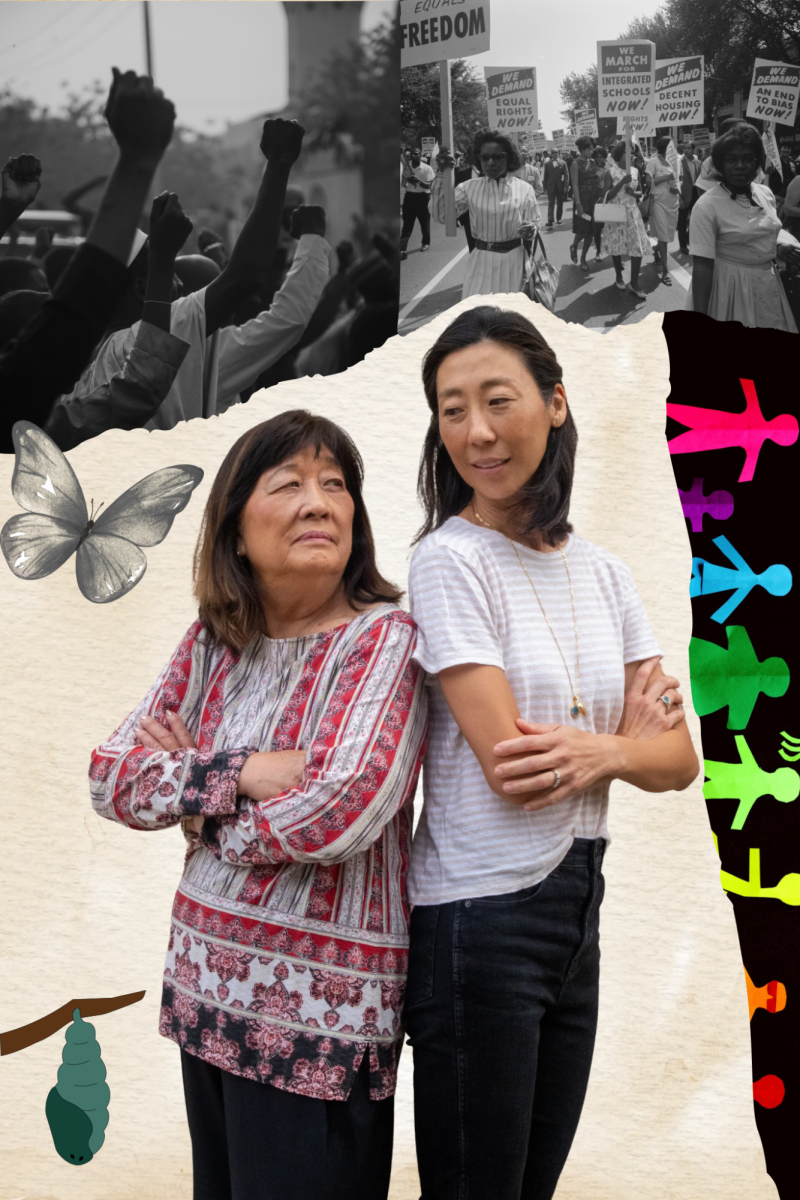
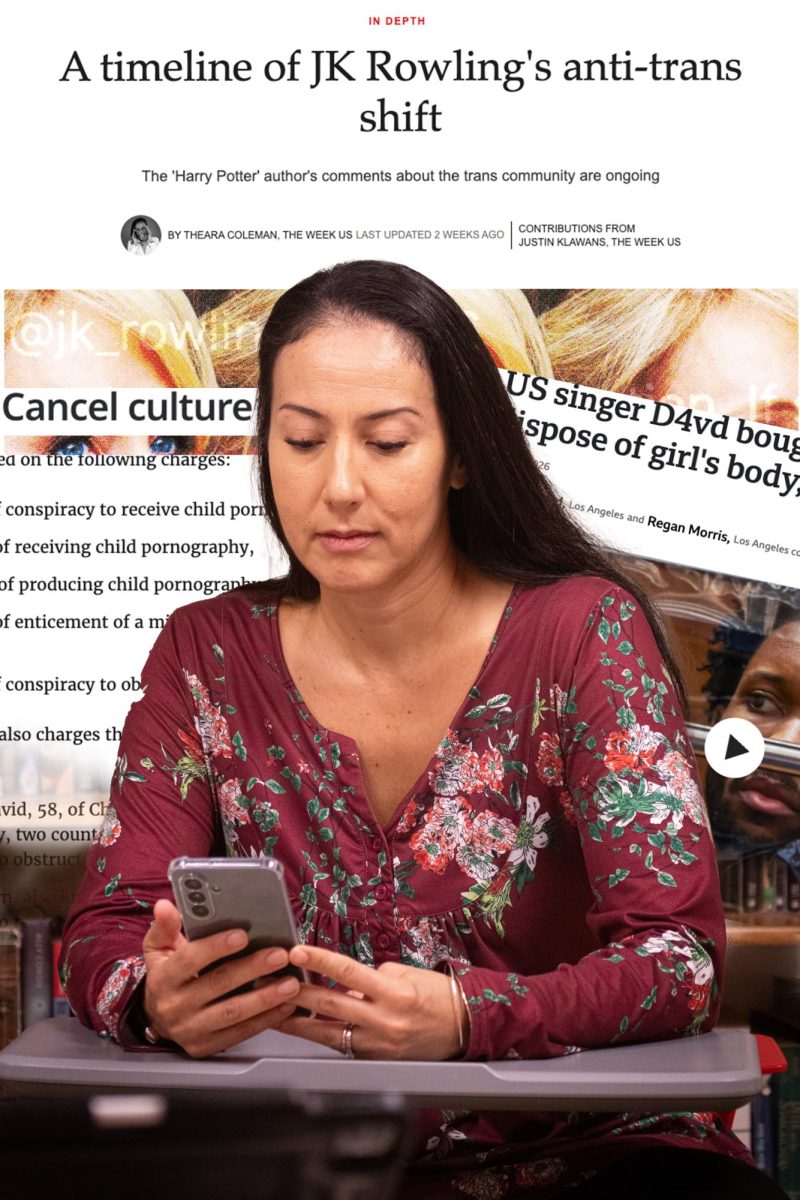
History proves these shifts are nothing new. During the 1960s, the Civil Rights Movement, Women’s Rights Movement and the Gay Liberation Movement pushed society to rewrite outdated definitions of identity and belonging. The 1970s saw the rise of identity politics, while the 2010s introduced politically correct culture or the rise of cancel culture, sparking debates over accountability and inclusion. Today, instead of fighting to fit into societal roles, many people are speaking up and reshaping what that place looks like.
Mr. LT said, “Throughout history, there’s a progression of, some identities becoming more accepted… I reject the idea that by virtue of quote progress that every generation just accepts different identity groups. I think that every generation has to consciously choose to be more inclusive to be more equitable than the previous generation because I don’t think that that’s necessarily automatically going to be the case.”
According to Mr. LT, a millennial, accepting these changes can be difficult because “society has structured our identities for so long.” He explained that social progress works like a cycle: “Inclusion pendulum swings where you have moments of real big inclusion in our society. And then it swings back to a lot of exclusion… people in society kind of wrestle with these ideas.” Dr. Angela Nguyen, a writer for Ed Methods, said that “ the pendulum theory in the social science world looks at how history repeats itself with similar events or with similar groups of people.” This pendulum theory explains that throughout history till present day, we will have a big push for inclusion within society, then a backlash where groups of people would either resist or want to undo the rapid shifts in social norms.
His perspective shows that people are not always expected to immediately accept change, but they should consider what happens if they refuse to understand it. He emphasized, curiosity matters. Asking questions and trying to understand unfamiliar ideas can shift conversations from judgment to empathy. Mr. LT said, “I think that having an open mind and just being curious about why they did the things that they did and them being curious about why we’re doing the things that we’re doing, I think it’s really important to have necessary dialogue. I think that our society needs to be better at having cross-generational, cross-identity dialogue.” After all, progress often begins when we start asking ourselves: what if there’s another way?