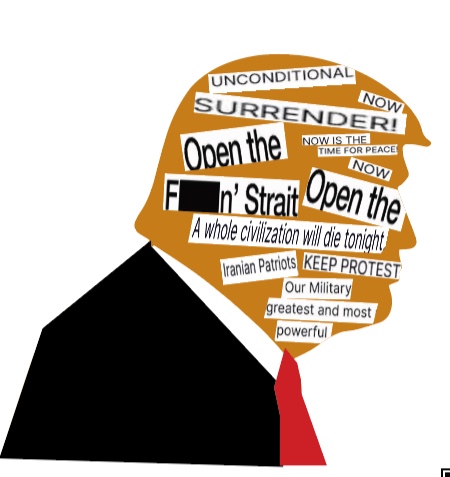













On February 6, as the 232 athletes of Team USA walked out during the opening ceremony of the 2026 Milano Cortina Olympic Games, the crowd erupted in mixed applause. Cheers for the athletes were replaced by a wave of boos when Vice President J.D. Vance’s face appeared on stadium screens, capturing the uneasy mix of feelings surrounding the United States in light of recent domestic and international conflicts. Designed as a celebration of peaceful competition and shared humanity, the Olympic Games are often framed as a rare space where nations can set aside conflict in favor of unity and sportsmanship. This year’s Winter Olympic Games, held in Italy, however, were marked by a bout of geopolitical tension and uncertainty. The world arrived in Milano and Cortina at a moment when confidence in long-standing institutions and narratives is fraying, testing assumptions about the bounds of what global cooperation can achieve. Rather than transcending politics, the 2026 Games have spotlighted forces such as protest, nationalism and sportswashing, which have long shaped the Olympic movement.
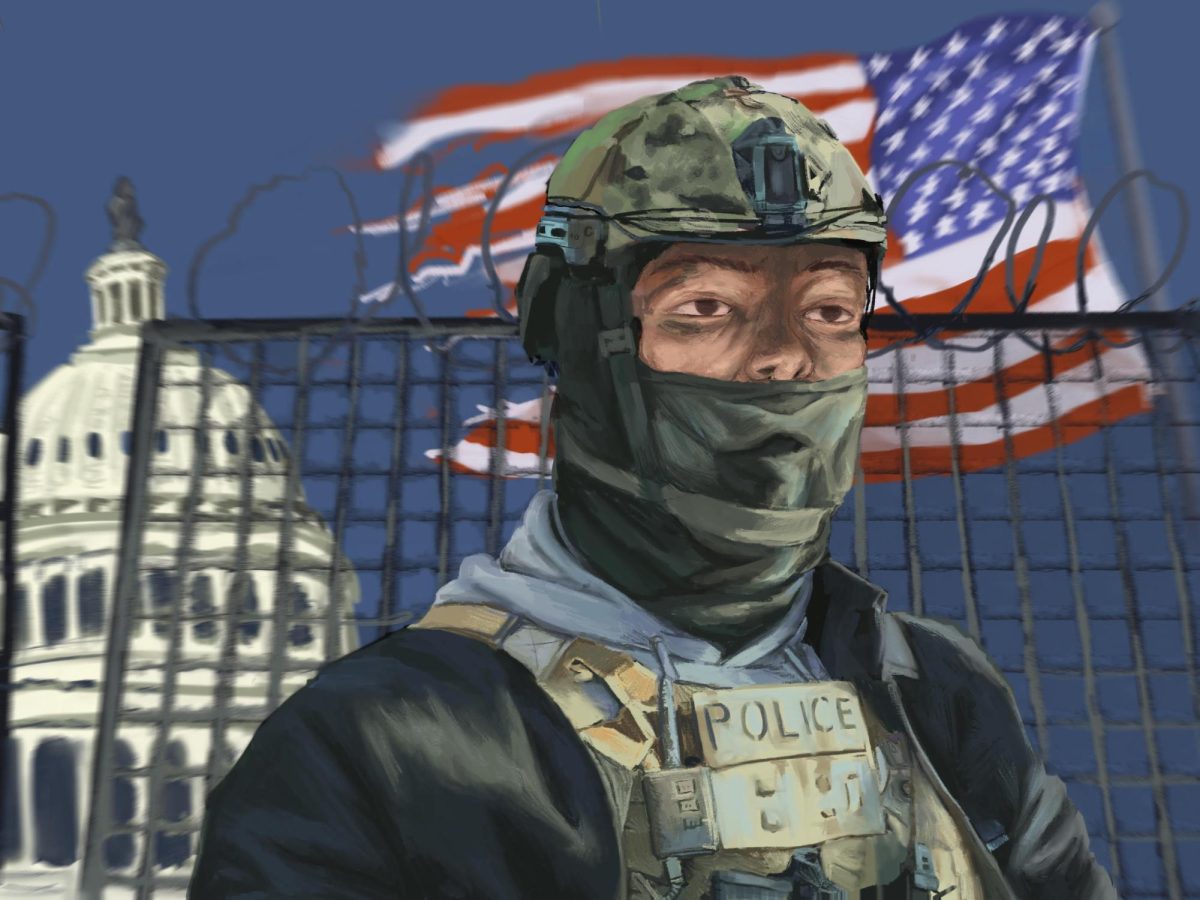
From pre-Games controversies to the charged atmosphere of opening-week competitions, Milan-Cortina reflected a broader instability beyond the slopes and skating rinks. On Jan 3, the United States staged a military intervention in Venezuela, reigniting debates about the bounds of international law and interventionist foreign policy. President Trump later sparked even more controversy when he shared ambitions for the U.S. to take over the Danish territory of Greenland, drawing criticism from European leaders. Domestically, tensions over American immigration policy reached new heights after Immigration and Customs Enforcement Officers (ICE) killed two American citizens in Minnesota in January.
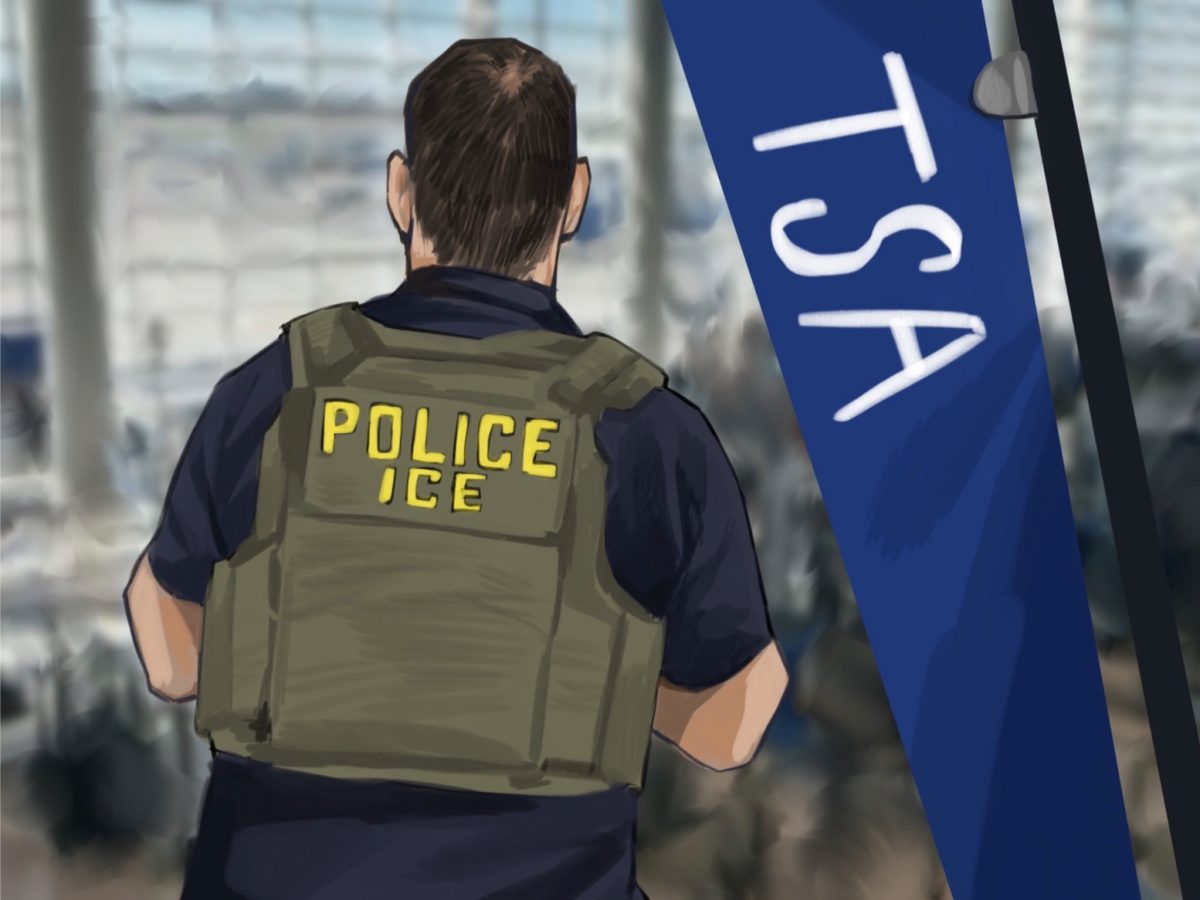
These tensions traveled overseas. In Italy, protesters gathered outside Olympic venues in opposition to the reported presence of ICE agents at the Games. Environmental activists also rallied against the hosting of the Games in Milan amid concerns about sustainability. On Feb. 7, unrest escalated into riots near the ice hockey arena located in Milan’s Porta Romana district, where demonstrators clashed with local authorities. Although competition carried on largely uninterrupted, the disturbances underscored the fact that the Olympics aren’t insulated from current events.
Amidst both domestic and international tension, American athletes used the Olympics as a platform to speak out, braving intense scrutiny to do so. During a press conference on Feb. 6, freestyle skier Hunter Hess acknowledged the complicated emotions he had about representing the U.S., given the current political climate. He told reporters, “I think it brings up mixed emotions to represent the U.S. right now. There’s obviously a lot going on that I’m not the biggest fan of and I think a lot of people aren’t. Just because I’m wearing the flag doesn’t mean I represent everything that’s going on in the U.S.” President Trump later criticized Hess, calling him a “real loser” on Truth Social.
Following President Trump’s remarks, other athletes, including two-time Olympic halfpipe champion, Chloe Kim, have spoken out. Kim emphasized the importance of solidarity and empathy. “I think in moments like these it is important for us to unite and stand up for one another,” she said. “We need to lead with love and compassion, and I would love to see more of that.”
Additionally, figure skater Amber Glenn, who came out as bisexual in 2019 and is an outspoken advocate for LGBTQ+ rights, faced intense online backlash after she said at a press conference during the first week of the Games that her community has had to endure “hard times” under President Trump.
As athletes speak out, significant backlash has emerged from viewers and commentators yearning for a “simpler” version of the Games free from overt political overtones. Hashtags like #PoliticsOutOfSports have started to trend across social media platforms such as TikTok and X. The Olympics have never existed outside of politics, however, and the turmoil in Milan invites a closer look at how protest, nationalism and sportswashing have always shaped the Games.
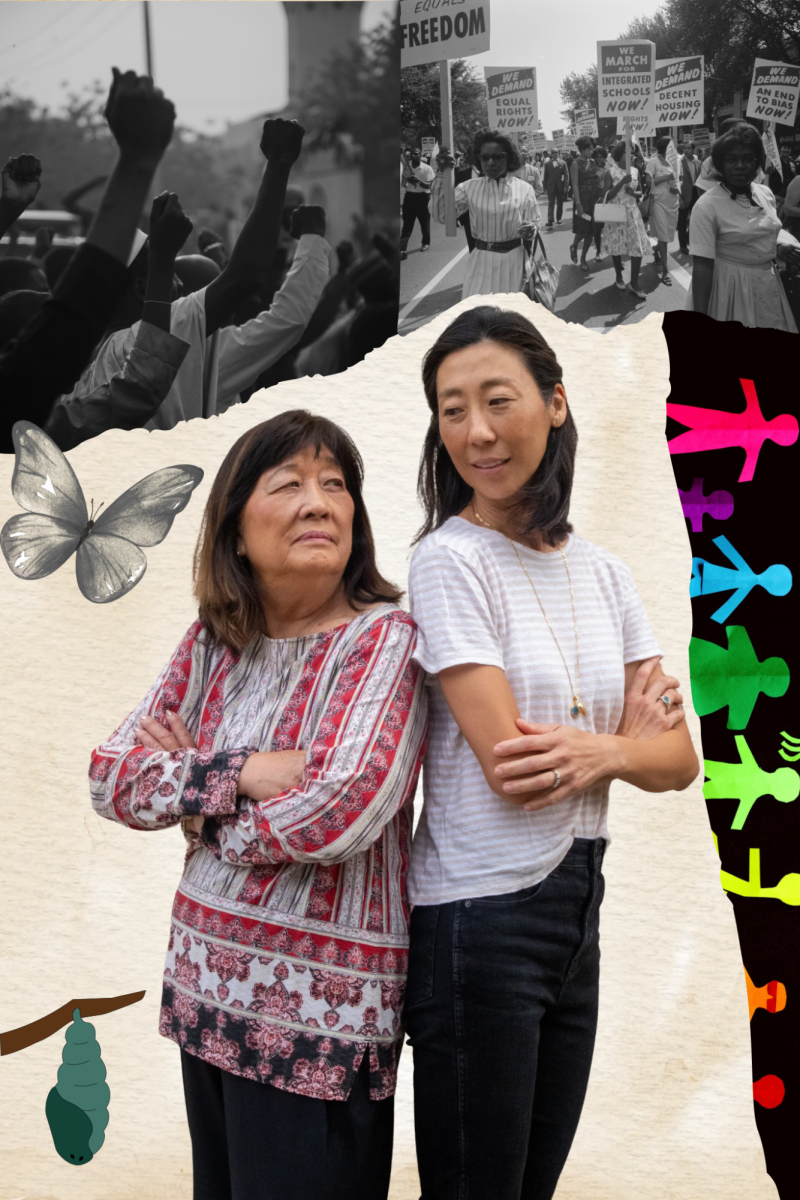
The political uproar around Milan-Cortina fits within a long tradition of athletes, activists and states using the Olympic stage to challenge injustice and assert competing visions of global order. At the 1968 Mexico City Games, African American sprinters Tommie Smith and John Carlos raised their fists on the podium as a sign of solidarity and support for the growing Civil Rights Movement in the United States. While the image of Smith and Carlos has become an iconic instance of protest, both athletes faced immediate expulsion from the Games and later had to endure years of criticism and threats.
During the Cold War, entire nations boycotted the Olympics as an act of diplomatic protest. The United States led a boycott of the 1980 Moscow Games after the Soviet Union invaded Afghanistan in December of 1979. Four years later, the Soviet Union and several of its allies, including Cuba and East Germany, refused to participate in the 1984 Los Angeles Games. More recently, the 2014 Sochi Olympics sparked international calls for protest due to concerns over Russia’s treatment of LGBTQ+ communities. Episodes of protest across Olympic history demonstrate that the Games have just as long been a venue for athletic excellence as they have political dissent.
Alongside protest, nationalism has oftentimes been one of the core political forces animating the Olympics. The Olympics are unique in that athletes compete not only as individuals but also as representatives of their nations. The 1936 Games, held in Berlin, Germany, provide one of the clearest examples of how sport has been harnessed to advance nationalistic rhetoric. Intended to mark Germany’s re-entry into the international community after WWI, Adolf Hitler, who had come to power three years prior in 1933, aimed to use the Games as a vehicle to promote ideals of “Aryan” superiority and dominance via sporting success.
Even in recent years, nationalism has surfaced in subtle ways at the Games. During the Tokyo 2020 Olympics, medal counts became a reflection of larger geopolitical rivalries. Medal counts, which are typically organized by the number of Gold medals won, have long been a part of the Olympic competition. Despite the fact that China led the U.S. in the gold medal count until the final day of competition, when the American team won the women’s volleyball event, American news sources continually published medal counts showing team USA in the lead. Throughout the two weeks of competition, they broke with tradition and used a system that counted the total number of medals won, rather than the traditional number of gold medals won in order to promote an image of American dominance at the Games.
The story of freestyle skier Aileen Gu further highlights how nationalism manifests itself on the Olympic stage. Born and raised in San Francisco, Gu chose to represent her mother’s home country of China at the Beijing Games in 2022, as well as the recent Milano Games. Amongst sports fans in the United States, her decision sparked accusations of betrayal or opportunism. While Gu herself describes her choice as an attempt to bridge cultures rather than divide them, the reaction surrounding her decision reveals how deeply intertwined sport and national belonging remain. This relationship is especially nuanced considering Gu’s identity as an Asian American athlete. Global Politics student Angie T. ’27 said, “People’s positive outlook on Aileen Gu as an Asian American athlete is kind of dependent on her being so good at skiing. If she wasn’t so good, people wouldn’t really want her to represent the U.S. instead of China.”
In recent years, the Olympics and other mega sporting events have also been criticized as being vehicles for sportswashing. Sportswashing is defined as the use of major sporting events to distract from or rebrand troubling domestic policies. The 2022 Winter Olympic Games, held in Beijing came amidst global accusations of genocide and persecution of Uyghurs in China’s Xingjiang region. In response to the mounting criticism, China named Dinigeer Yilamujiang, a cross-country skier with Uyghur roots, as one of two torchbearers to light the Olympic flame and open the Games. Reflecting on the use of major sporting events as a vehicle to distract from concerning policies and actions, ‘Iolani Global Politics teacher Dr. Taylor Stephens said, “I think the Olympic Committee should reflect on what the purpose of the Olympic Games is. And if you go back to the founders of the modern Olympics, they did see it as a force for peace and goodwill around the world. And so if that is the mission of the Olympics, the Olympic Committee is within its parameters to consider those questions of is the host that we’re choosing a force for peace and goodwill around the world?’”
Still, the Olympics remain one of the most visible platforms for sports diplomacy in the world. As a diplomatic tool, they can strengthen trade partnerships, boost tourism and foster international dialogue. They can also help to build a country’s reputation, to communicate with others or negotiate foreign perspectives. Yet the long history of the Olympic Games makes clear that the Olympics cannot dissolve political tensions by sheer force of tradition or principle. The boos that followed Vice President Vance’s face on the stadium screen were not an interruption of the Olympic spirit; they were an extension of the complex world that the Games inhabit. Whether the Olympics can move closer to its ideal depends on how honestly the international community is willing to confront the power struggles and injustices that the Games bring to light.