




















Climate change, health and economy: students always learn about these issues in classrooms, but who creates the real change? With the 2026 state legislative session, numerous bills have been introduced. Meanwhile, ‘Iolani students are also taking part in advocacy by supporting bills in various fields in hopes of leading change. Two students shared their experience, from personal stories and specific bills as well as advice on how to take part in the process they found empowering.
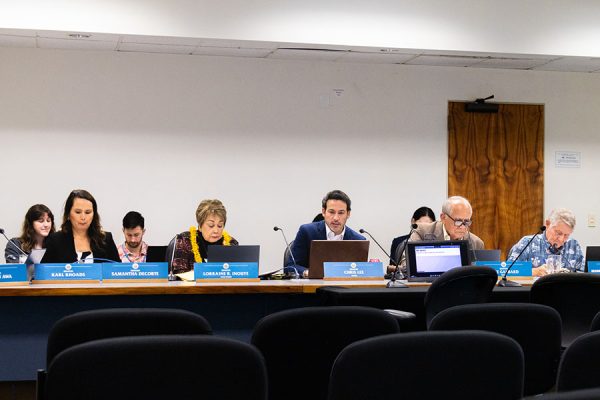
Opening Day held at the State Capitol on Jan. 21 marked the start of the 2026 session. Throughout a session from January to May, bills are introduced, heard by committees and eventually pass or die. This is also when advocates support or oppose bills by contacting legislators, testifying and raising awareness. With the recent government shutdown in late 2025 and ongoing precarious circumstances creating uncertainty, the state’s role in amending these gaps gives this session significance. Accordingly, the Senate and House outlined their priorities for this year, including housing affordability, economic diversification and conservation. Additionally, the state will undergo shifts in authority this year, such as the election of House representatives this November: Qingqing C. ’27, a student engaged in advocacy, shared, “As we still have this [current makeup of legislators], [my goal is] to get as many bills passed.”
Qingqing is one of the students from ʻIolani shaping the future. A member of climate forums, the Hawaii Youth Food Council and an intern at the Capitol, she is passionate about climate change and the economy as well as legislation in general. A bill she supports, HB950, discusses bi-level lighting that conserves energy in state buildings and facilities. Directly connecting with legislators, submitting testimonies, and attending forums, she has worked on getting her bills supported. On Opening Day, Qingqing was able to have it introduced to the House. She noted, “I learned that it’s not an easy procses…I’ve seen how hard it is to get a bill even get heard in committee.”
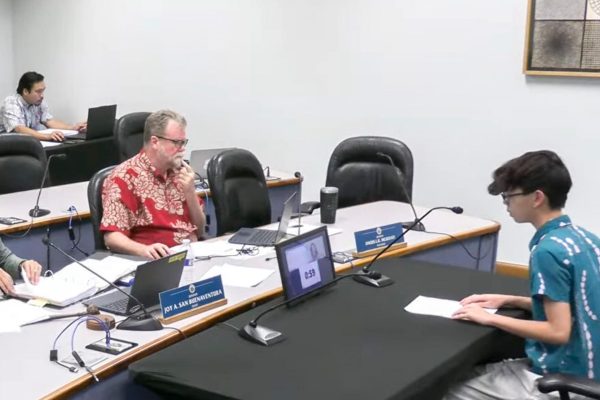
(Gina K. )
Kayden P. ’28 is another student who shares a passion for making change. The bill he supports, SB2106, would prohibit the sale of unprescribed dietary supplements for weight loss for minors. As the Hawaii Youth Lead for the Harvard STRIPED, an organization that combats youth eating disorders, he has firsthand seen his peers struggling with their image and eating habits, making him believe in this cause. His interest lies in public health and he believes the next generation now deserves protection. With the support of his peers, including Qingqing who helped get it introduced on Opening Day, the bill has currently passed onto the second reading.
Granted, creating change takes effort and patience. With thousands of bills introduced, supporting specific ones takes constant dedication. Qingqing said, “[Legislators] have so many things to worry about that they might not focus on your bill. So you have to be the one pushing for it.” The process also often requires advice from others, given its complexity. Kayden recalled, “It was a lot of emailing and tough… You have to reach out to a lot of classmates and peers for help.”
Despite the long process, they also shared how empowering it is, finding civic engagement valuable. They both noted how students are the future generation who will shape and be shaped by policies. In addition, legislators find it helpful to gain unique perspectives from youth. Qingqing said, “[Adults] treat me as an equal, which I’m really, really happy with. They actually value our opinions and insights.”
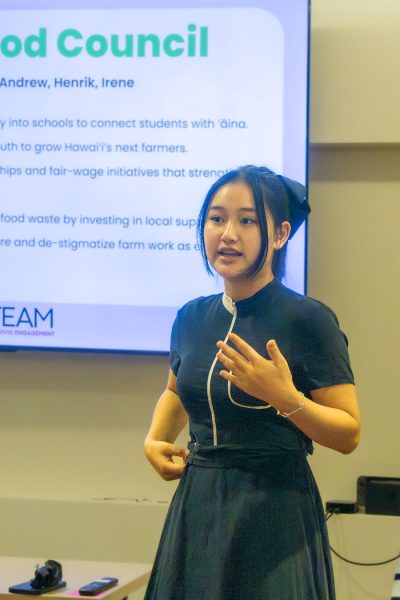
Both encourage taking part in advocacy. Kayden said, “Start early, because the session begins in January. Do a lot of work before that.” Being knowledgeable allows for stronger advocacy. Qingqing said “[Organizations] have so many opportunities to share with you,” since they have plenty of knowledge, resources, and connections and are willing to support advocacy efforts.
Although it may seem intimidating, standing up for crucial issues indeed creates change and empowers youth to share their voices. As Qingqing shared, “We’re the ones who are taking the reins of and trying to [decide] what actually affects us. I’m able to shape and influence policies that may go into place.”