










AI is a hot topic among experts in every field, but how do students see AI in their futures?
On a national scale, as of November, Nvidia, Microsoft, Apple, Alphabet and Amazon–the top five companies based on market capitalization–make up over 25% of the S&P 500 and each invest billions of dollars in AI.
The new era of generative AI has already begun to shape the future of ‘Iolani’s students. This radical, advancing technology has not only affected students’ expectations of what their prospective careers will look like but also their views on how education will adapt to fit this unprecedented future.
ON EMPLOYMENT:
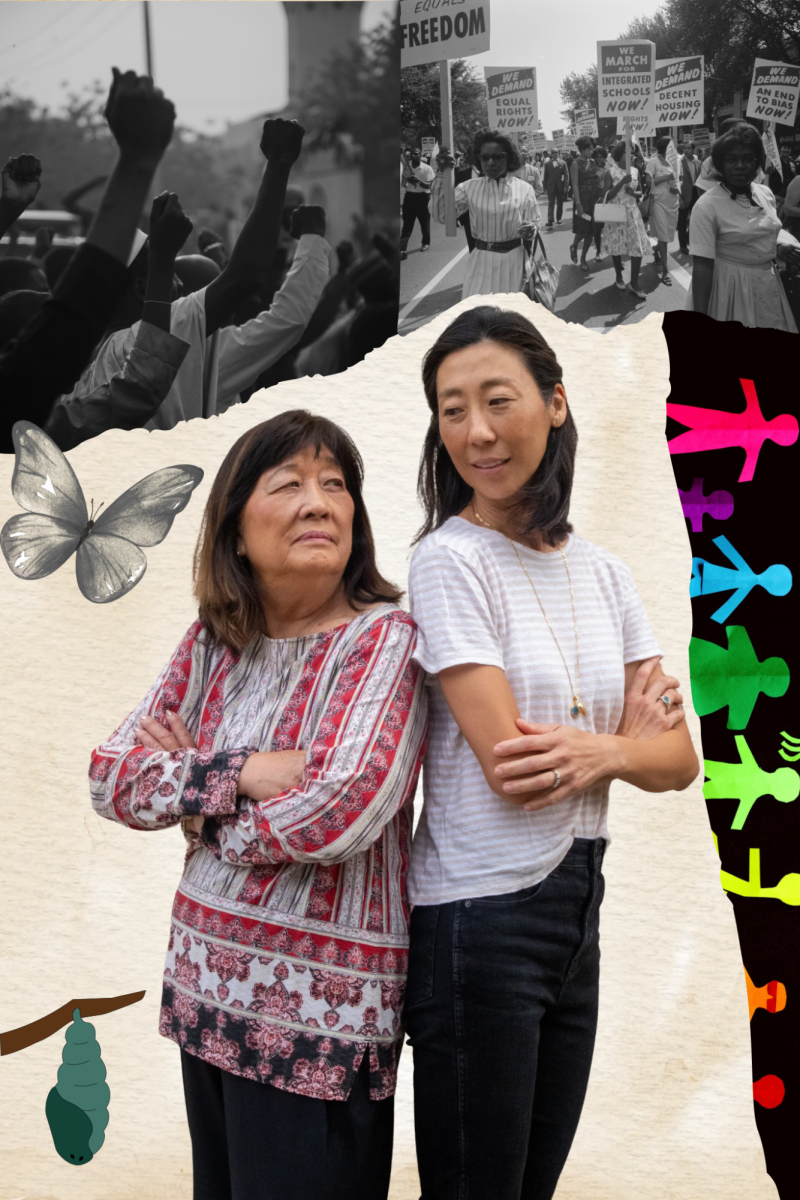
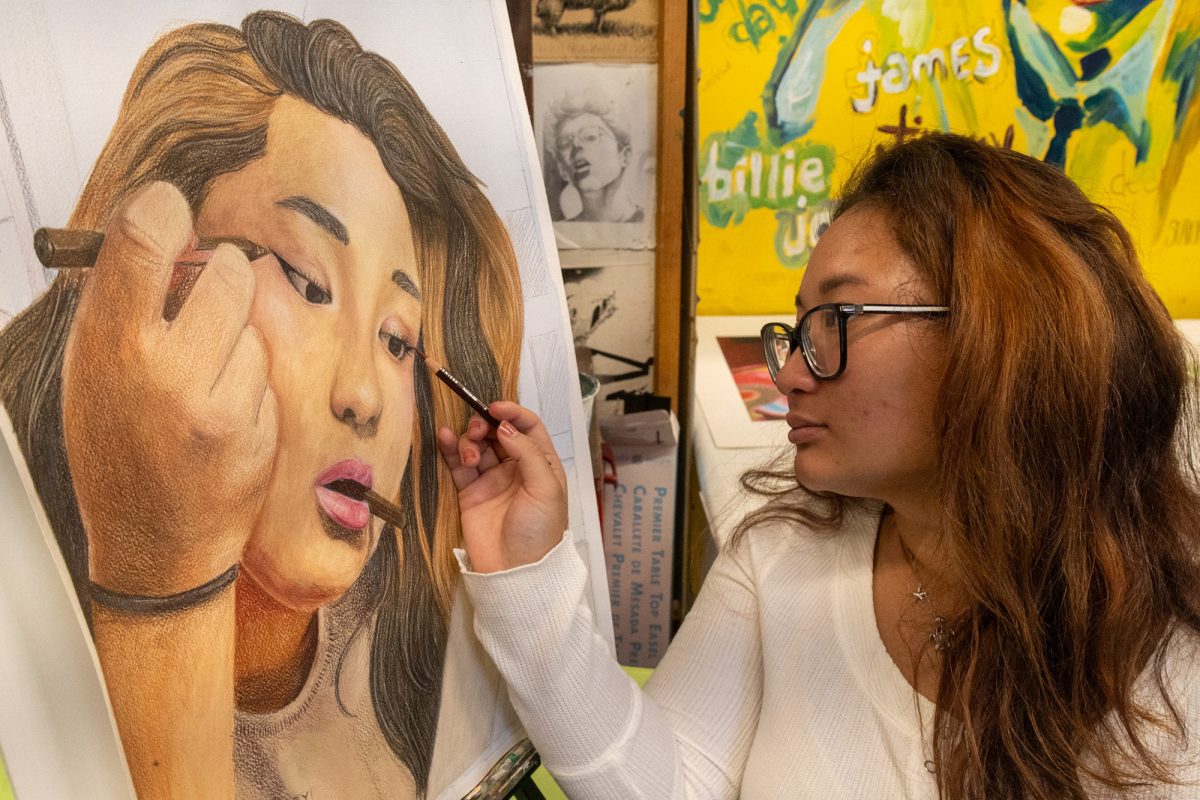
Kassidy M. ’26 is an AP Drawing student who first took Drawing in eighth grade. She usually uses watercolor as her medium and realism as her style, but intends to be an English teacher for Korean students. While she does not take issue with the use of AI for smaller, non-commercial things, such as infographics or presentations for the eyes of few, she takes issue with commercial AI use, having said, “In my mind, if you use AI to promote to the general public then it’s like job erasure, in a way, because the more that you use AI, the more people are going to assume that it’s okay to replace artists.”
Kassidy also sees the issue as a matter of effectiveness: “When you’re using AI, there’s no emotions to show because the artificial intelligence doesn’t have any emotions, so you’re not going to connect to it as well.” She thinks the lack of nuance in AI-generated art curbs the ability of the consumer to connect and resonate with companies’ messages.
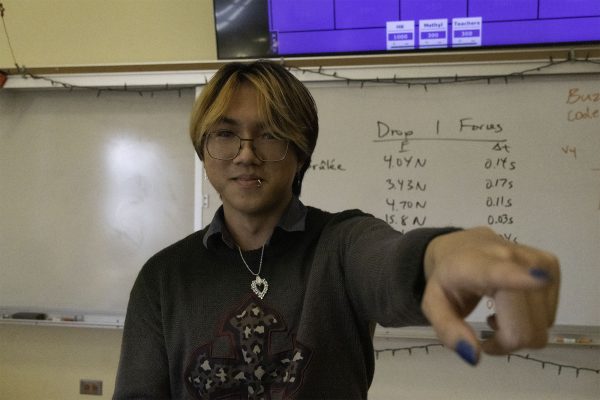
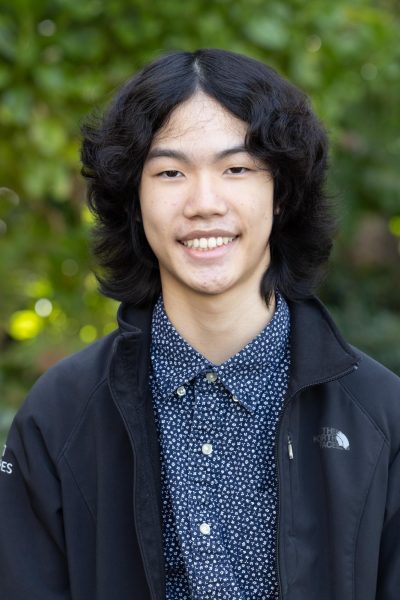
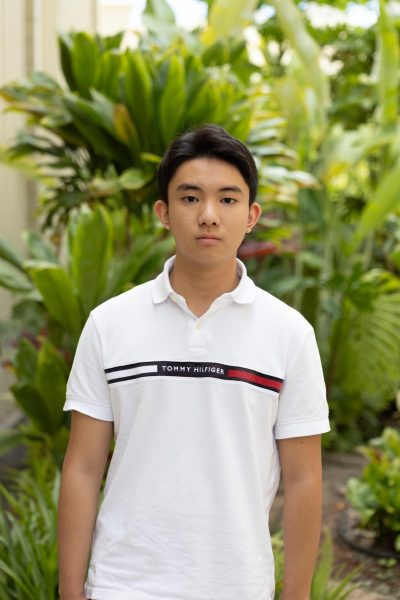
Andrew V. ’26 is a co-president of both the Chemistry and Physics clubs and a member of the DLA. He strives to be an aerospace mechanical engineer with a particular interest in astronomy. He believes that AI will push the boundaries of the engineering field, raising both “the skill floor and the skill ceiling higher.” Andrew believes this will happen through AI assisting weaker engineers to complete more work and allowing excellent engineers to do their work more quickly. He also believes that AI will be useful in the publication of scientific papers, not only serving as a preliminary editor, but additionally as a way for authors to research papers whose work connects to their own.
ON EDUCATION:
Even here at ‘Iolani, teachers are being educated in AI. According to Mr. Gabriel Yanagihara, over the summer, ‘Iolani has held school-based initiative grants (SBIGs), which involve groups of teachers who get additional training or paid time to learn about a variety of topics, including how to assess students’ grades with the advent of AI, learning more about AI chatbots and AI ethics and policy.
Additionally, ‘Iolani has the Digital Literacy Ambassadors (DLA) club, allowing students to have a say in ‘Iolani’s policies around AI. There, they test and evaluate different AI tools alongside support and teach teachers how to use AI.
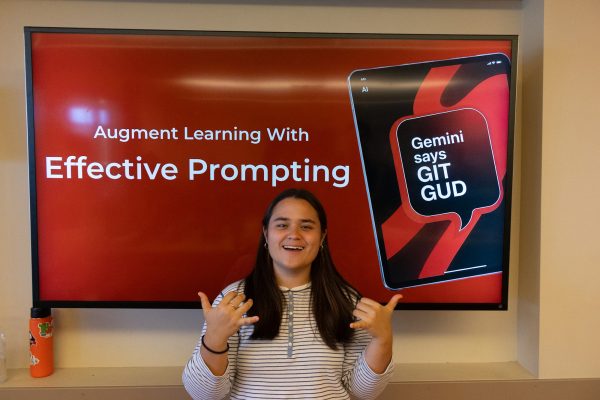
Maya G. ’27 is a part of ‘Iolani’s yearbook staff and a member of the DLA. She believes AI’s impact on education to be quite substantial. Although she believes ‘Iolani’s “Generative Al Use Levels” poster is useful, she does not think that it alone will be enough. Maya underlines the value of a course on AI literacy, separate from Media Literacy, considering it important enough to be a requirement to graduate. She also thinks that humanities will fall out of favor, having said, “I think as we continue in a world where everything is so STEM-forward, it’s going to be harder and harder for people to see the relevance of a subject like history or like English, especially when there’s a tool that can just help us generate whatever we want.”
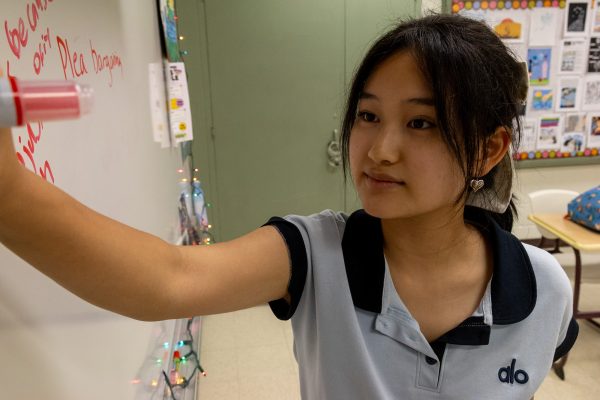
(Hudson G.)
Qingqing C. ’27 participates in both Speech and Debate and serves as a part of the leadership of the Mock Trial club. She believes in the importance of preparing students for society, which currently means preparing students to keep up with advancing technology. For instance, in Mock Trial, she uses AI as a tool to better research by summarizing files, so that she can more efficiently decide whether or not they are relevant to her cases.
ON ART:
As an artist, Kassidy’s stance on generative AI use in art is not black and white. She said, “I don’t think art created completely by AI should be considered art, but I think that using AI in the process can be generating ideas or coming up with base concepts. But I think using it as the main part in creating is not art.” She believes that whether something can be considered art depends on a variety of factors, including the ratio of original art to generated art and whether a piece’s focus is generated or not.
When asked about AI’s place in writing, Qingqing said, “I don’t think that AI is the most creative.” While she considers it to be an effective editor in terms of grammatical rules and formatting, she also believes it to be “very generic” and “not authentic.” She said, “As an author, you need to come up with creative ideas that are novel — ideas that people would like to read — and then I think AI is not that efficient at that part.”
As AI develops, so do students’ abilities at harnessing it. As their understanding grows, their opinions form. Students see the effect of AI on the professional world and at school, recognizing AI as a tool to facilitate quicker and more efficient work. However, students do not see as strong an effect on art, viewing it as a tool to assist, but not replacing artists.